
In the modern world, the demand for efficient and sustainable housing solutions has never been more pressing, particularly in industries that rely on a transient workforce. From construction sites to remote mining operations, workers often require temporary housing that is both functional and comfortable. Modular housing solutions have emerged as a viable answer, offering a range of benefits that can significantly enhance living conditions for workers. This article delves into the concept of modular housing, its advantages, and how it is transforming worker accommodations across various industries.
Understanding Modular Housing
What Is Modular Housing?
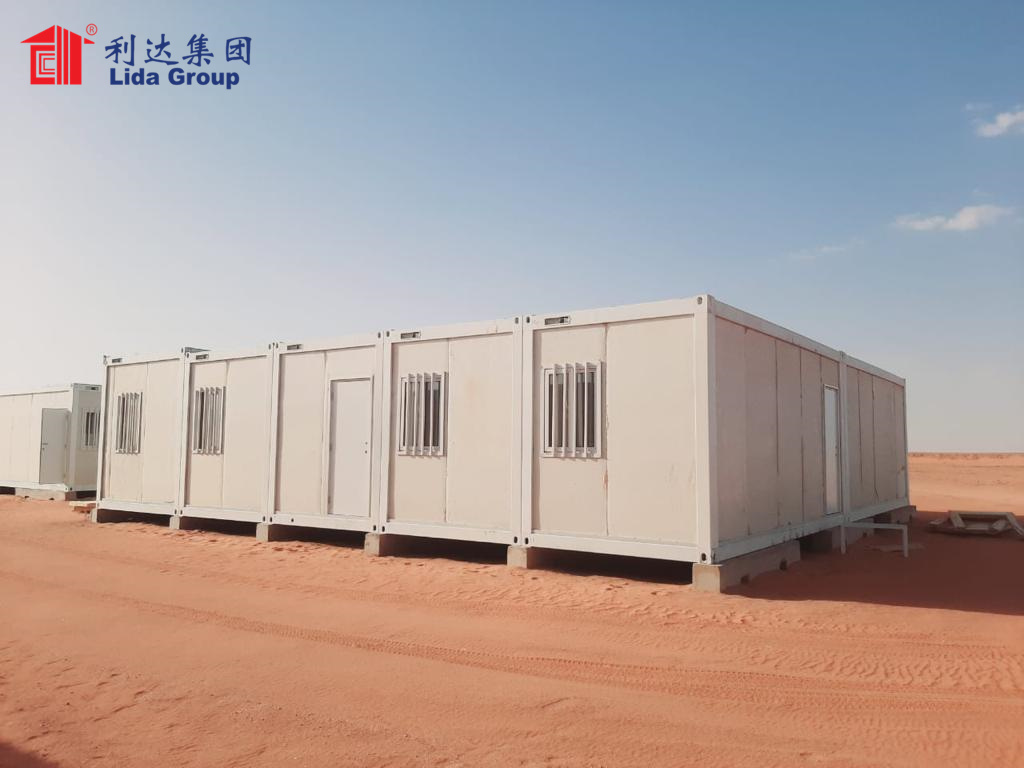
Modular housing refers to structures that are built off-site in a factory setting and then transported to their final location for assembly. Unlike traditional construction methods, where buildings are erected entirely on-site, modular housing involves creating prefabricated sections or modules that are designed to be easily transported and assembled. These modules can be customized to meet specific needs and can be combined in various configurations to create larger living spaces.
Key Features of Modular Housing
- Speed of Construction: Modular homes can be constructed much faster than traditional buildings, as site preparation and module fabrication occur concurrently.
- Quality Control: Building in a controlled factory environment allows for better quality assurance, with rigorous inspections ensuring that each module meets high standards.
- Cost-Effectiveness: Modular housing often results in lower overall costs due to reduced labor and material waste.
- Sustainability: Many modular homes are designed with eco-friendly materials and energy-efficient systems, making them a sustainable choice.
- Flexibility and Customization: Modular housing can be tailored to meet specific requirements, allowing for various configurations and designs.
The Importance of Worker Housing
The Need for Quality Living Conditions
Worker housing is vital for industries that deploy labor forces in remote or temporary settings. Providing adequate accommodation is essential not only for the well-being of workers but also for their productivity and morale. Poor living conditions can lead to dissatisfaction, health issues, and high turnover rates, all of which can adversely affect project timelines and costs.
Challenges in Traditional Worker Housing
- Time-Consuming Construction: Traditional methods can lead to significant delays in establishing worker accommodations.
- High Costs: Inefficiencies in traditional construction often result in budget overruns, impacting overall project profitability.
- Inadequate Facilities: Many traditional labor camps fail to provide sufficient amenities, leading to subpar living conditions.
- Logistical Complications: Building in remote locations can complicate the transport of materials and labor, increasing costs and delays.
Advantages of Modular Housing Solutions for Workers
1. Speed of Construction
One of the most significant advantages of modular housing is the speed at which it can be constructed:
- Concurrent Processes: While site preparation is underway, modules are being manufactured in a factory, leading to a significant reduction in overall project timelines.
- Quick Assembly: Once transported to the site, modules can be quickly assembled, allowing workers to move in sooner.
2. Cost Efficiency
Modular housing solutions can be more cost-effective than traditional construction:
- Lower Labor Costs: The streamlined construction process requires fewer labor hours, leading to lower overall costs.
- Reduced Material Waste: The controlled environment of a factory setting minimizes waste, contributing to cost savings.
3. Enhanced Quality Control
Quality assurance is a hallmark of modular construction:
- Standardized Building Practices: Factory production allows for standardized construction methods, resulting in consistent quality across all modules.
- Rigorous Inspections: Each module undergoes strict quality checks, ensuring compliance with safety and building codes.
4. Improved Living Conditions
Modular housing can significantly enhance the quality of life for workers:
- Customizable Designs: Modular homes can be tailored to include private rooms, communal spaces, kitchens, and bathrooms, addressing the specific needs of workers.
- Modern Amenities: These homes can incorporate modern features such as high-quality insulation, energy-efficient appliances, and recreational areas, improving overall living conditions.
5. Sustainability
As environmental concerns become increasingly important, modular housing offers several eco-friendly benefits:
- Recycling Materials: Many modular homes utilize sustainable materials, reducing the environmental impact of construction.
- Energy Efficiency: Modular buildings can be designed to be energy-efficient, incorporating features like solar panels and high-performance insulation.
Lida Group: A Leader in Modular Housing Solutions
Company Overview
Lida Group is a renowned player in the modular construction industry, specializing in the design and manufacture of modular housing solutions for various applications, including worker accommodations. With a commitment to quality, innovation, and sustainability, Lida Group has established itself as a leader in providing tailored housing solutions that enhance worker living conditions.
Innovative Design Philosophy
Lida Group’s design philosophy centers on creating modular housing that is functional, aesthetically pleasing, and conducive to a positive living experience:
- User-Centric Approach: By engaging with clients and understanding their specific requirements, Lida Group develops tailored designs that enhance the living conditions of workers.
- Sustainable Practices: The company prioritizes eco-friendly practices, ensuring that its buildings contribute to sustainability goals.
Advanced Manufacturing Techniques
Lida Group employs cutting-edge technology in its manufacturing process:
- Precision Engineering: Advanced machinery and techniques ensure high-quality construction and efficient production.
- Modular Design: The modular nature of Lida Group’s buildings allows for flexibility in design and easy expansion.
Case Studies: Successful Modular Housing Projects by Lida Group
Case Study 1: Construction Site Accommodation
Challenge: A construction company needed to provide housing for a large workforce at a remote site, requiring quick and efficient solutions.
Solution: Lida Group designed and manufactured a modular housing complex consisting of several units, including sleeping quarters, dining facilities, and recreational areas.
Outcome: The housing complex was completed ahead of schedule, providing comfortable living conditions for over 200 workers. Employee satisfaction increased significantly, leading to improved productivity on-site.
Case Study 2: Mining Operations
Challenge: A mining company sought a sustainable housing solution for its workforce stationed in a remote location for an extended period.
Solution: Lida Group developed a series of eco-friendly modular buildings, incorporating energy-efficient systems and sustainable materials.
Outcome: The modular housing not only provided safe and comfortable accommodations but also demonstrated the company’s commitment to sustainability. The project received positive feedback from both workers and management.
Case Study 3: Disaster Relief Housing
Challenge: Following a natural disaster, a region required immediate housing solutions for displaced workers involved in recovery efforts.
Solution: Lida Group rapidly deployed modular housing units designed for quick assembly and equipped with essential amenities.
Outcome: The units were set up within days, providing safe and comfortable living conditions for recovery workers. The swift response helped restore a sense of normalcy in the affected area.
The Future of Modular Housing Solutions
Technological Innovations
The future of modular housing will be shaped by ongoing technological advancements:
- Smart Building Technologies: The integration of smart technologies will enhance the efficiency and comfort of modular homes, allowing for better energy management and security.
- Building Information Modeling (BIM): The use of BIM will improve design accuracy and collaboration, streamlining the construction process.
Global Market Potential
The demand for modular housing solutions is expected to grow as industries seek more efficient accommodations for workers:
- Emerging Markets: Developing countries will increasingly turn to modular solutions to address labor housing needs, especially in remote areas.
- Crisis Response: Modular housing will continue to play a crucial role in providing temporary housing in disaster-stricken areas, offering quick and effective solutions.
Customization and Adaptability
Lida Group’s ability to customize designs will ensure that modular housing meets the unique needs of various industries:
- Flexible Configurations: The modular nature of these buildings allows for easy modifications and expansions as workforce needs change.
- Cultural Adaptation: Lida Group can adapt its designs to fit local architectural styles and cultural preferences, enhancing their appeal in diverse markets.
Conclusion
Modular housing solutions represent a transformative approach to worker accommodations, offering efficient, sustainable, and cost-effective options that significantly enhance living conditions. As industries increasingly recognize the importance of providing quality housing for their workforce, modular solutions offer a viable answer to the challenges posed by traditional construction methods.
Lida Group stands at the forefront of this revolution, delivering innovative modular housing solutions that prioritize quality, sustainability, and worker well-being. Through a commitment to customer satisfaction and a focus on eco-friendly practices, Lida Group is redefining the standards of worker housing and paving the way for a brighter future in construction.
In an era where the needs of the workforce are evolving, modular housing solutions offer a promising way forward. By combining functionality, sustainability, and modern design, these solutions ensure that workers have access to comfortable, safe, and efficient living spaces. The future of worker accommodations is here, and Lida Group is leading the way into this new era of modular construction.
Contact Us
Post time: Feb-27-2025